.jpg)


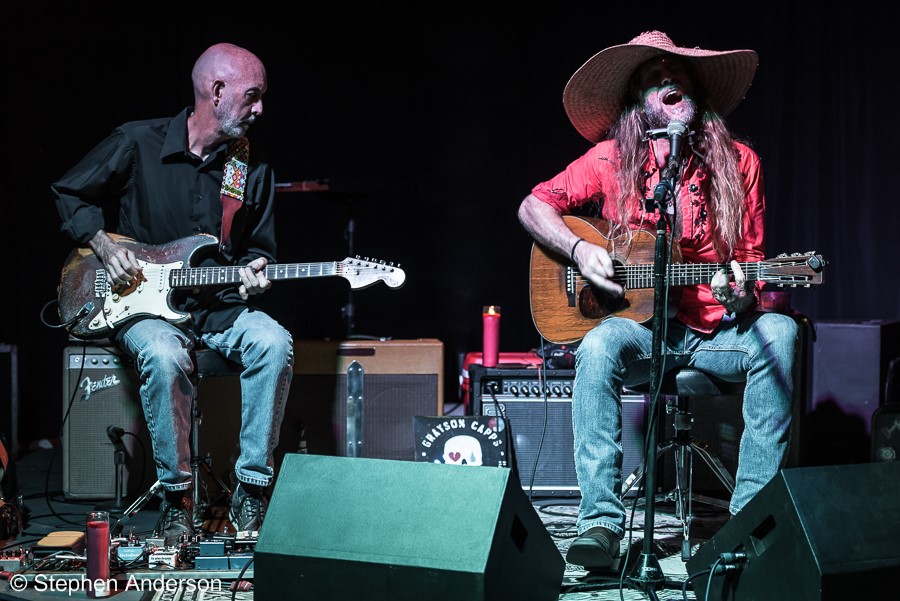
For ace guitarist Corky Hughes, the long road to a satisfying life in music got off to a rocking and rolling start at Skate Haven. Back in those days, in the mid-70s, lots of young people in and around Mobile were more interested in the rock 'n' roll that was being played there than lacing up skates and circling around the rink.
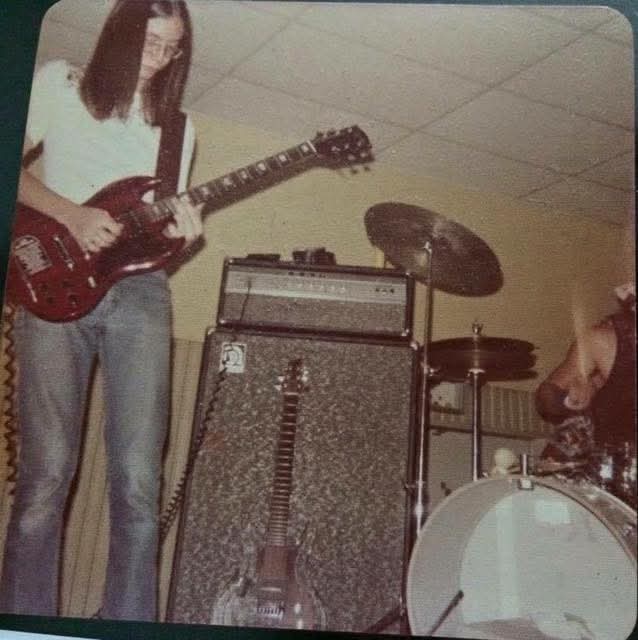
Looking back, Corky easily recalls the songs in his first band's repertoire, the exact guitar and amp he was using at the time and even some of the people who would come out to what were some of thousands of gigs he's played close to home and around the world. He even remembers that at the end of the night the owner of the establishment in West Mobile would settle up with the band, called Home Brew, by carefully counting out $125 in one-dollar bills.
"A lot of bands played there, and it was usually either Friday or Saturday nights," Corky says. "It was very popular for teen-agers. It was a fun thing to do."
Having played guitar professionally for over half a century, Corky has made lots of memories, lots of fans and lots of friends through something he first picked up from his father, who played tenor banjo and guitar. Corky has made lots of admirers, too. Other accomplished musicians look up to him for his remarkable skills as well as his low-key, easygoing personality. That includes Grayson Capps, a hardworking singer, guitarist and songwriter who considers himself fortunate to have played alongside Corky for the past 15 years.
"He is all about the song and nothing else," says Grayson. "I've never played with anybody where it was so effortless." He expands on their intuitive interaction in terms that a visual artist might use: "We both frame each other. When I'm singing he's creating a frame for my vocals, laying under it and giving it room to weave, and then when I'm not singing it's natural for me to do the same for him, to give him a canvas to paint. So we complement each other that way. And it's a perfect complement."
Though he learned folk and country songs from his father, he was drawn more toward rock music once he discovered adventurous bands like Led Zeppelin and the Allman Brothers Band. That put him on more of a hard rock path that included a serious run at success with the Mobile-based band Excalibur plus a brief but very memorable stint with Southern rockers Black Oak Arkansas in 1984. But first he would expand his musical palette by taking a job with saxophonist and bandleader Theodore Arthur Jr.
Many know Mr. Arthur was from his long association with the Excelsior Band in Mobile, but back in the day he was an in-demand sideman for such greats as B.B. King, Bobby "Blue" Bland and Ike & Tina Turner. Their paths crossed in 1976 when Corky scored a gig through the local music union playing for patients and staff at Searcy Hospital. That led to touring around the region as a group called Theodore Arthur and Reality. They played mostly blues and R&B but also some funk and disco, which were very popular at the time.
"We had horns and lady background singers and played all through the South," Corky says, "and occasionally we would play some place that was like a roadhouse way down a dirt road. It would be way out in the woods and there would be a big building just packed out with a couple of hundred people ready to party."
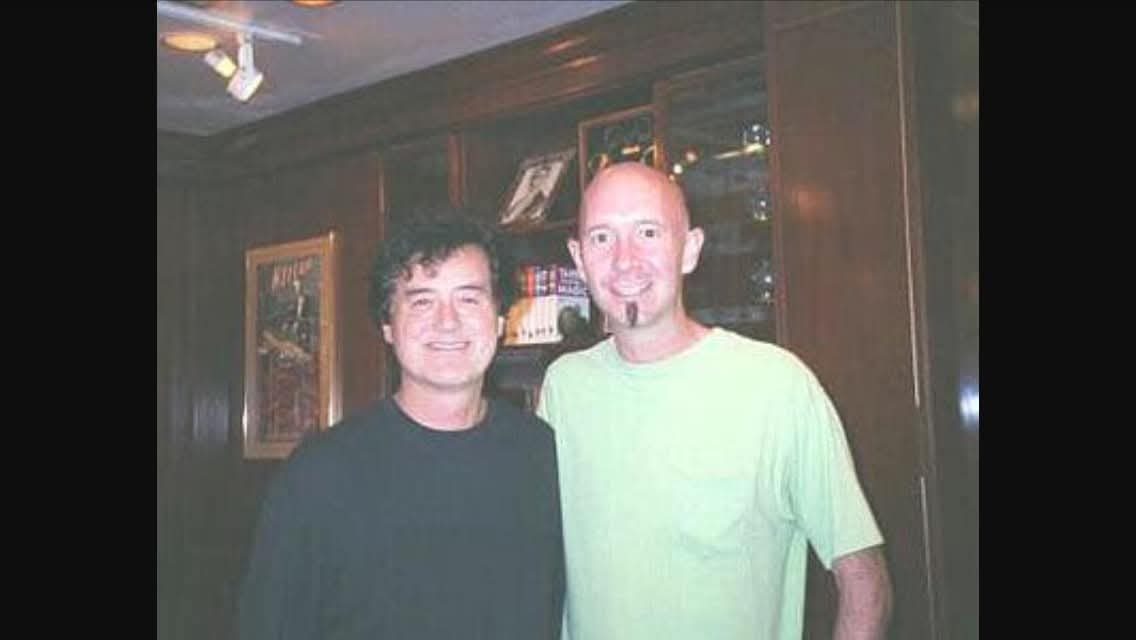
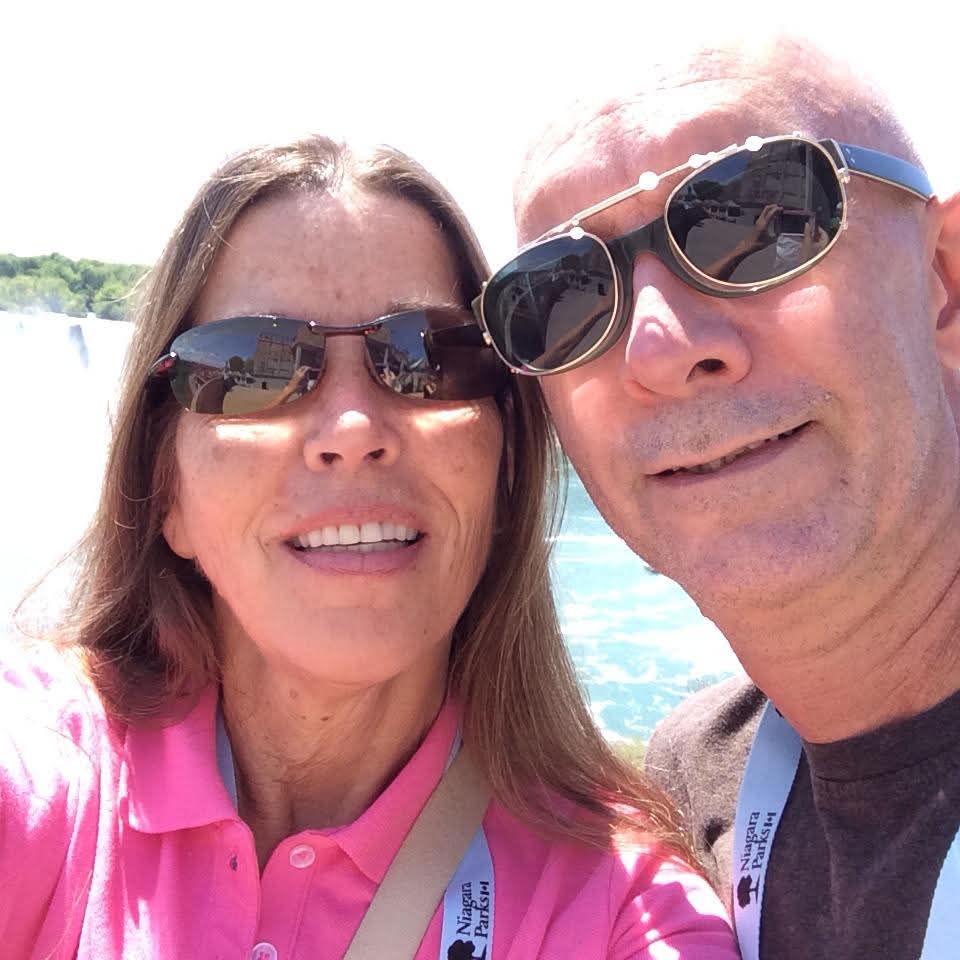
Mr. Arthur became something of a musical mentor, and their association led to a face-to-face meeting with the great B.B. King in New Orleans, and it's one of several encounters with famous guitarists that Corky has enjoyed. He and his wife, Nancy, ran into Led Zeppelin's Jimmy Page in a shop in the Crescent City, for instance, and on another occasion the great Jeff Beck came to hear the Tone Poets, a band that Corky was playing with in Atlanta, where he and Nancy lived for seven years in the late '80s and early '90s. Another cool memory for Corky is the time that Dickey Betts of the Allman Brothers joined Excalibur on stage at a big club in Florida, where they ripped through "Stormy Monday" and "Southbound" with their extra-special guest.
It was during those days with a re-formed Excalibur in the 1980s that they opened for a version of Black Oak Arkansas that, for legal reasons, had the official name of Jim Dandy's Black Oak Arkansas. Jim Dandy was the stage name for the band's boisterous frontman, Jim Mangrum, whom Corky speaks highly of to this day, which is 42 years after he joined them as a third guitarist for two grueling and eye-opening tours in 1984.
The band had been wildly popular in the early '70s, but a decade later much of their glory had faded and Jim Dandy and one other founding member, Rickie Lee Reynolds, were aiming for a comeback.
Corky was already well traveled thanks to numerous family vacations out west when he was growing up, but within months he was about to see every state but Alaska, Hawaii and Maine. This version of Black Oak was relentless, playing a continuous string of clubs, festivals and theater-style venues.
"I was with them for two tours that seemed to last forever," Corky says. "We played constantly. It became a blur. It was the first time I'd come to know what it was like to be on the road and just stay out there."
The gig had its ups and downs but seemed promising at first. Their bus was outfitted with bunks, so he could stretch out while moving from show to show in different states. But when they downsized their mode of transport, it became unbearable. He remembers being tightly packed in a van like sardines, coming to a stop and being slapped in the side of his face by a bandmate's sweaty, smelly leather pants that were hanging in the window.
"It just got to be too crazy, and I didn't want to do it anymore," Corky says. "The truth is, if we had stayed on the bus and not had to travel in the van like that I probably would have stayed in the band a lot longer."
Black Oak Arkansas' loss was our gain eventually, but he had met Nancy in the meantime and they decided to relocate to Atlanta to join its blossoming music scene. Besides the Tone Poets, another well-known act that Corky was part of during that period was Darryl Rhoades and the Mighty, Mighty, Mighty Men from Glad.
He and Nancy returned to Mobile in 1992 and he soon joined Kevin Danzig and the Heard, which headed overseas right off the bat before developing a following both locally and regionally.
"We went on a Mediterranean tour for the Department of Defense right away," Corky says. "It was quite an experience. We performed at military facilities in Egypt, Turkey, Greece and Italy and also at the 1992 World's Fair in Seville, Spain."
A decade later in Mobile, Corky's improvisational skills were an essential element to the success of the jam band Kung Fu Mama, and that's what would later connect him with Grayson Capps. In 2011, Grayson had already hired the other former members of that group, which were drummer John Milham, bassist Christian Grizzard and keyboardist Chris Spies. When his guitarist Tommy MacLuckie, decided to take some time off from music, it seemed logical to call their former bandmate Corky to fill in.
Neither of them would know how natural the pairing would turn out to be. After 15 years together, they have a strong, easygoing friendship as well as a thriving musical partnership.
"The talent is not the be-all, end-all," Grayson says. "It's also whether you can get along in the van and enjoy spending day after day with each other. And Corky's just such a humble, nice dude and has become one of my best friends. He's unassuming, a sweetheart dude and one of the best guitar players I've ever heard in my life."
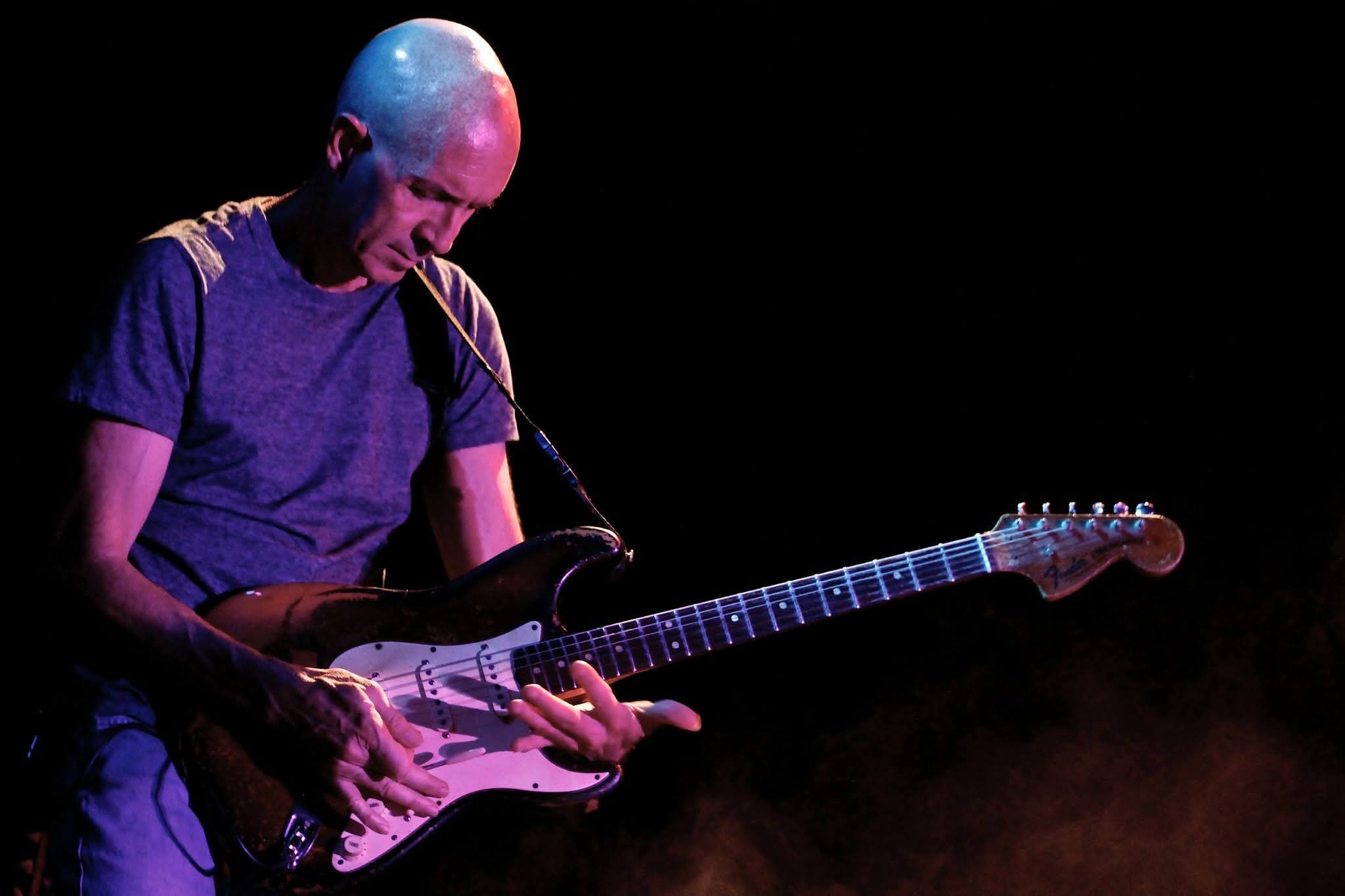
Corky offers his share of compliments, too: "It's been wonderful playing with Grayson, and it's really easy flowing. I love it," he says. "He is such a great artist and he's also a great person and a great friend."
They play at least 150 shows a year together, many of them with a full band but many more as a duo. The two of them anchor the Sunday sessions at the Frog Pond at Blue Moon Farm when it's in season, of course, and when it's not there's no telling where they might be. They have toured repeatedly around the country and in Holland, Germany, Belgium, Italy and Norway. Grayson estimates that, including air travel to the other countries, he and Corky have probably traveled close to a million miles together, which could be described as to the moon and back twice.
Asked directly how he feels about where he is these days after devoting most of his life to making music, Corky offers a one-word assessment. "Content," he says, and then he goes silent without elaborating. In a way, his response was like one of his guitar solos that's pithy and precise and satisfying. He's already said what he wanted to say.
"I try to not overplay," he says. "It's very important. I try to play something meaningful that's not just a bunch of notes. Sometimes if a guitar solo goes too long, you might wind up just playing random, stock licks. I try to just fill that space that's available and then move on."
More from
Dive Bars & Music
category


Singer/Songwriter Jacob Brock

Corky Hughes' Life in Music