Recently, Scenic 98 Coastal has featured several articles on opportunities for small businesses to connect with resources and mentorship programs that can help them grow and prosper. Some of that focus comes from wanting to raise awareness of these resources and encourage businesses in our communities to take advantage.
Experience is a great teacher, and many seasoned individuals are willing to lend a hand and offer sage advice to young business owners just getting started. Much of my passion for small business comes from spending years on college campuses as a fundraiser at a business school. I saw firsthand the difference these resources can make in building a successful business.

One such individual who has made an incredible impact on the Pensacola community is Quint Studer. He and his wife, Rishy, have made a conscious decision to invest in the communities where they have deep roots: Pensacola, FL, and Janesville and Beloit, Wisconsin. Both are actively engaged in all kinds of enterprises and community endeavors designed to improve people’s lives.
Quint's leadership in the healthcare industry remains the standard by which patient satisfaction is measured. Given the task years ago to turn around an ailing hospital on life support with a patient satisfaction rate of just 17%, he implemented a simple philosophy: “Take good care of your employees, and they, in turn, will take good care of your patients.” Brilliant and simple! He was later assigned to Baptist Hospital in Pensacola, where it soon became ranked the number one hospital to work for in America.
Today, the Studers are business owners, community leaders, and philanthropists who have built a diverse portfolio through the Studer Family of Companies (SFOC). For example, they started the Bodacious Café, Bodacious Bookstore, Greatest Harvest, and the Pensacola Blue Wahoos. The Studers have played an active role in growing and revitalizing downtown Pensacola. One of their inspirations was the founding of the Studer Community Institute.
Quint Studer founded the Studer Community Institute in 2014, a nonprofit dedicated to improving the community, initially focusing on educating parents about the importance of early brain development. In addition to providing vital skills training to small business owners, leaders, and employees to help businesses grow and thrive, SCI continued this work by adding entrepreneurship support and mentorship programming, with the shared mission of Building Brains and Building Jobs.
Building jobs through providing world-class mentoring and training to entrepreneurs, business owners, and leaders to help build skills and increase the chances of business success and job growth.
Building brains through the Building Brains program teaches parents the importance of talk and interaction in fueling healthy brain development in the vital first three years of a child's life. They work with community partners to connect with parents in three areas: in healthcare, in person, and in the community.
I recently met with Ashley Misleh, the Special Events Coordinator at the Studer Community Institute. Joining us was Alli Pennington, a recent intern and marketing major at UWF’s Lewis Bear, J. College of Business, who grew up in Pensacola. Ashley tells me small businesses are close to her heart because of her family roots.
“My family owned two Sears Hometown Stores: one in Daphne, Alabama, and one in Milton, Florida. At the time, there were 1300 Sears Hometown Stores across America. Every year, we attended the annual conference, held either in Orlando or Chicago, where store owners came together with the Sears Corporate team to learn from one another and share strategies for running successful operations. We know firsthand what it takes to manage multiple businesses, including the time, travel, leadership, and day-to-day commitment required to keep each operation running successfully.”
“One thing I’ve learned since joining SCI is that when small business owners commit to their community, it will in return benefit their business,” she says. “I didn’t appreciate that until I started working here two years ago. Our non-profit focuses on two key areas, Building Brains and Building Jobs, through a variety of programs and initiatives to make a meaningful impact throughout the community.”
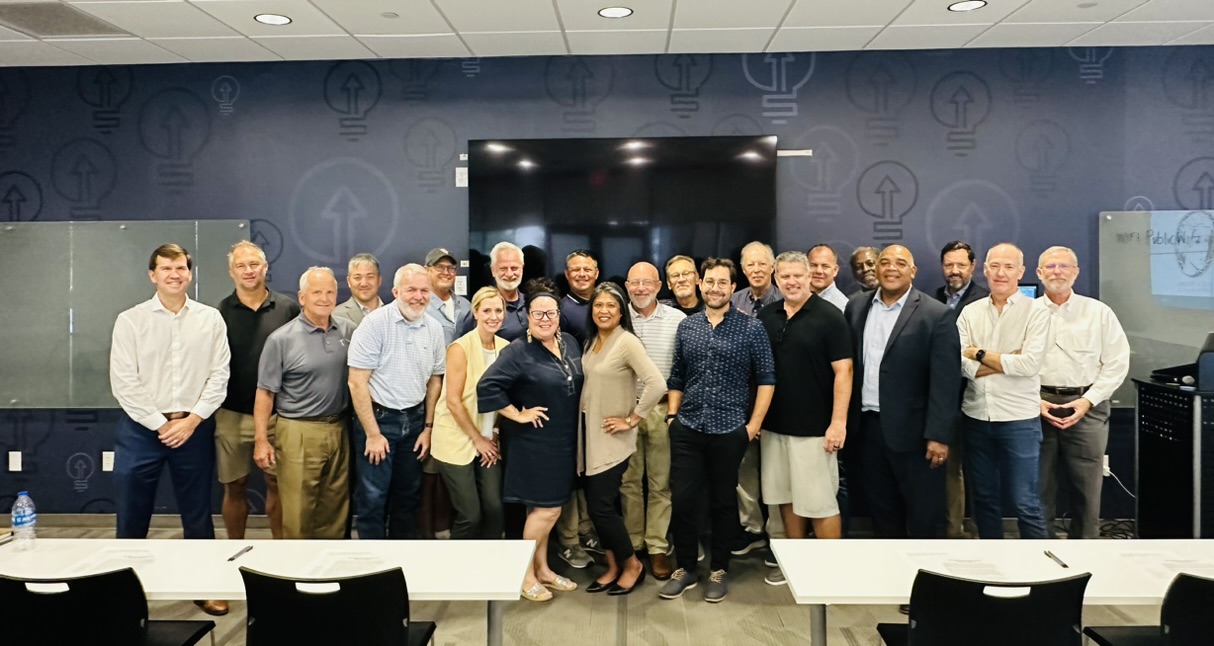
Venture Mentoring Service (VMS) is a program based on the acclaimed model created at the Massachusetts Institute of Technology, matching small businesses (ventures) with seasoned mentors. Everything is confidential. A venture’s mentor team may include anyone from bankers, CPAs, CEOs, marketing managers, technology support, motivational speakers, and government contractors. Anyone can apply, but classes are limited, and mentors are assigned based on the small business's perceived needs and where it is in its business lifespan.
One newly accepted Venture is Brooks Parrish, founder of Wild Oak School. We published a story about Brooks when she first launched her school. She’s committed to learning everything she can about how to grow and leverage her model for educating young people.
“We have some businesses that have been a part of the program for several years and have grown to over 80 employees. Some ventures have successfully graduated from the VMS program and have stayed on to become Mentors.”
One such gentleman stopped by to visit with us for a minute. Shane Cornell owns Extreme Tactical, a multi-source intelligence solution provider primarily for defense applications. He transitioned from seeking help to build his company as a venture to a seasoned mentor helping others build a path to success for their own business.
The mentors include an impressive group of veteran business leaders willing to help other entrepreneurs build their businesses, create jobs, and make a positive difference in the community.
Each applicant for the VMS program has roughly ten minutes to pitch their business for a mentoring slot, much like you see on Shark Tank. Once accepted, they are placed with a group of mentors to offer counsel and advice, which may include growth models, marketing, finance options, and even exit strategies, mergers, and acquisitions. No mentor is allowed to invest in a venture business while serving as a mentor. Pitch sessions happen twice a year, and you can find applications at Studer Community Institute. The VMS program is offered free of charge.
Interested in applying to the VMS program? The results speak for themselves:
- 92% of small business owners with a mentor say it directly impacts the growth of their business
- 70% of mentored small businesses survive five years or longer, twice the rate of businesses that don’t receive mentoring.
- 61% of small business owners mentor others, and 58% mentor young entrepreneurs.
Businesses from any industry are welcome to apply. The only eligibility requirement is that the business is currently earning income.
A few of the diverse businesses SCI has mentored or continues to mentor include Pro Clean, an emergency disaster restoration service; Tap the Coast, a mobile bar service for entertaining; and Glow Paddle, a nighttime kayak and paddleboard rental business. Native Cafe expanded and grew its business using free expert mentorship from the SCI’s Venture Mentoring Service
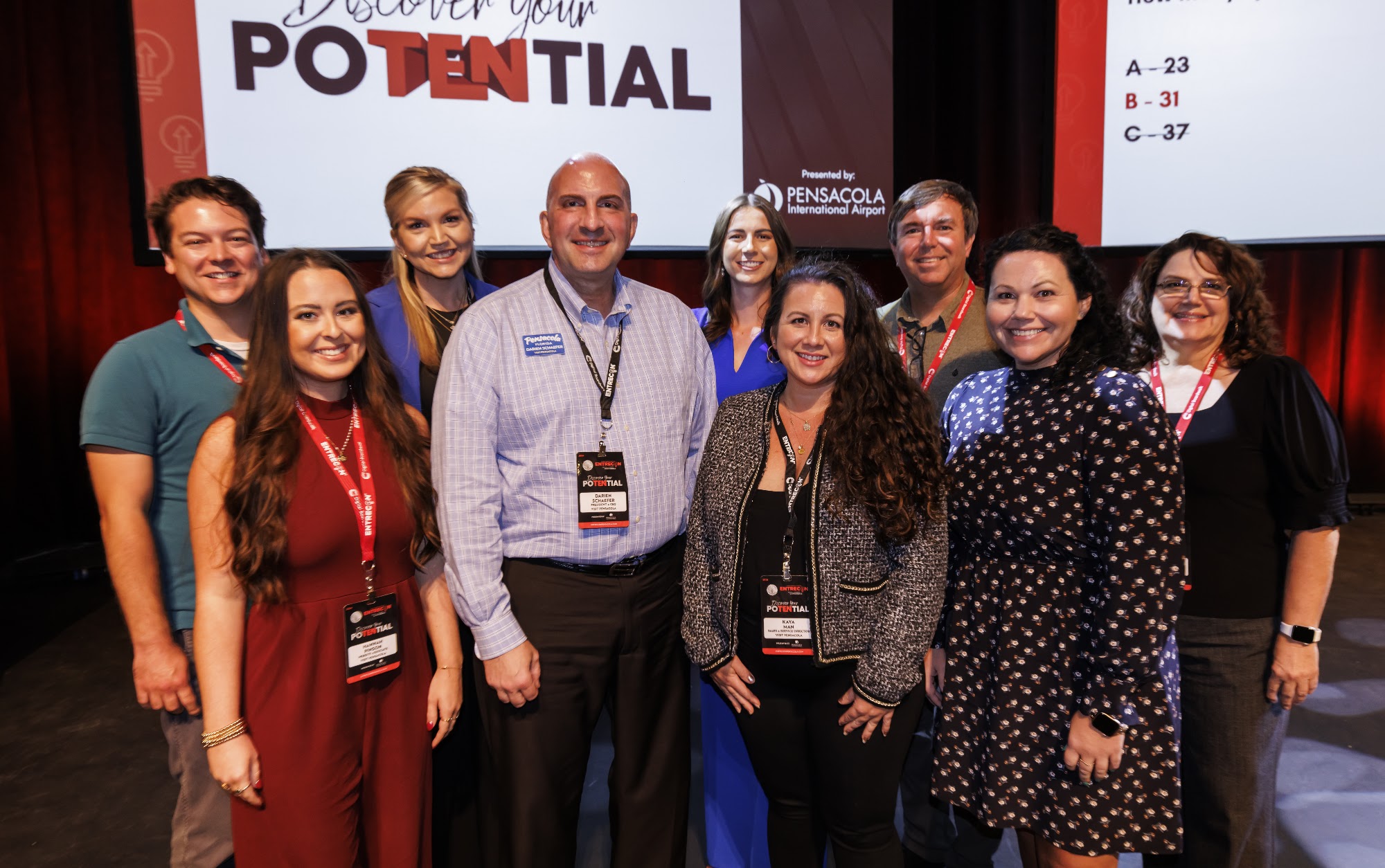
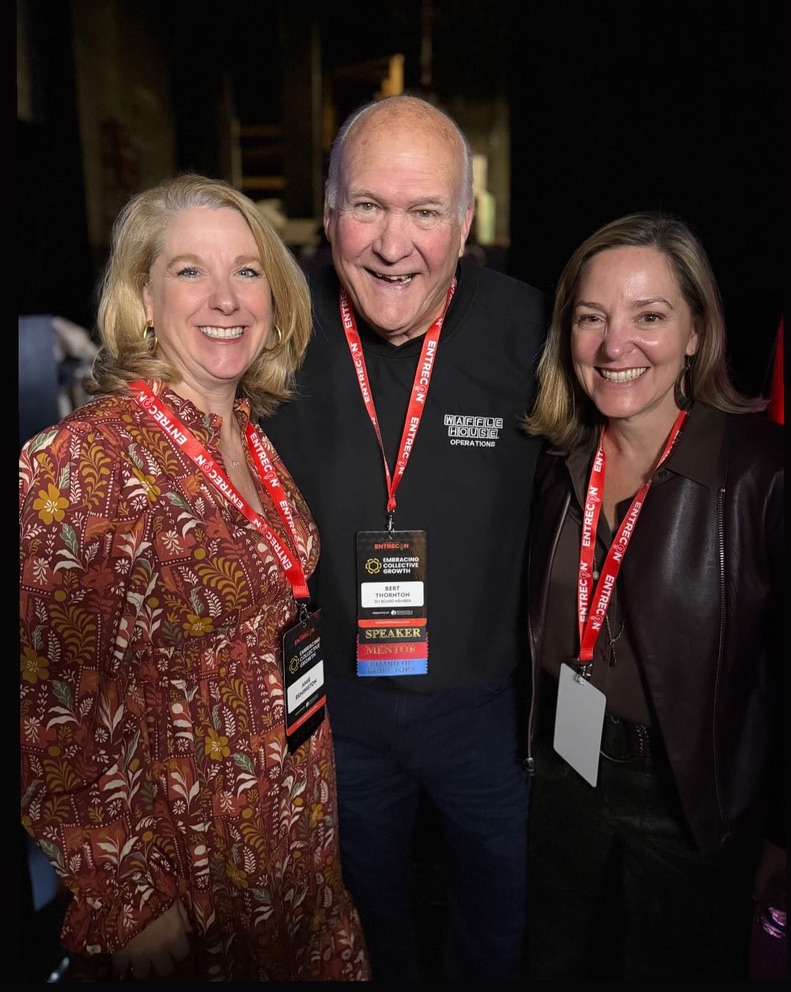
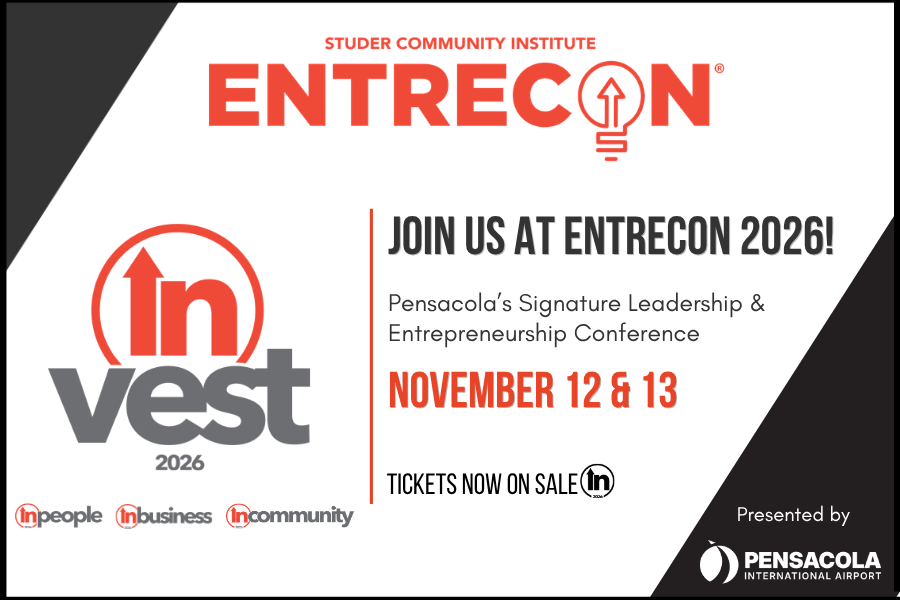
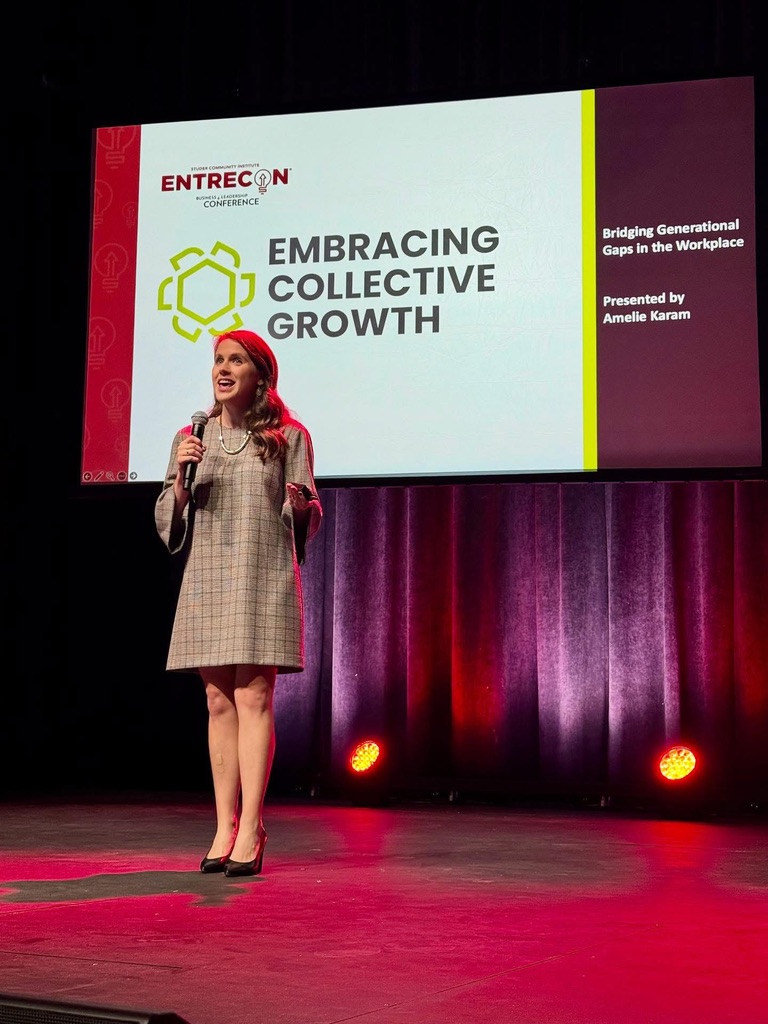
On November 12 and 13, Studer Community Institute will host its signature small business event, EntreCon, at the Pensacola Saenger Theater. Now in its twelfth year, EntreCon gives business owners and leaders a chance to hear from local business and community leaders and participate in breakout workshops on a variety of topics facing entrepreneurs in the workplace. A special awards ceremony recognizing area businesses in specific categories will take place on Wednesday, November 11, prior to the conference. The conference is open to the public, and you can purchase tickets here.
Another SCI focus is job creation. Chris Heaney leads this effort. “Successful businesses create good jobs. Nothing happens without a job, so building a strong core of businesses helps the community prosper. We focus efforts on helping people achieve the necessary training and education to be competitive in today’s job market.”
Building Brains focuses on early childhood education. The Studers, along with other community leaders, are implementing programs to help make Pensacola the nation’s first “Early Learning City.” Katie Ballard serves as SCI’s Executive Director and oversees this effort along with Paige Marcin, Director of Building Brains.
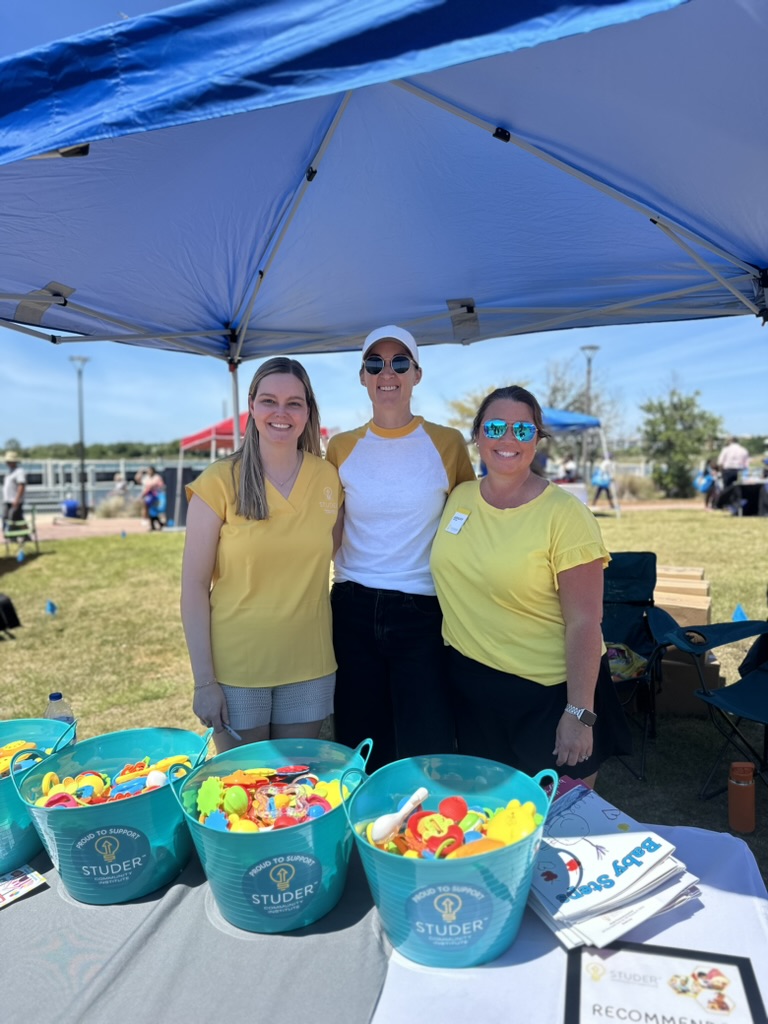
“Building Brains is our biggest program,” says Ashley. “We host an annual event called Light Up Learning at the Blue Wahoos’ stadium in late April or early May each year. The focus is on early childhood education. Studies have shown that a child’s brain develops to 85% of capacity by age 3. We meet with parents and caregivers in area hospitals to help educate them about the importance of brain development (beginning at birth) and provide resources to assist.”
Dana Suskind, a pediatric surgeon and an expert in early childhood initiatives, has worked closely with the Studer Community Institute. She has helped communities understand the need to address brain development issues at birth and says improving kindergarten readiness is a community effort.
Modeled in partnership with experts at Chicago’s TMW Center for Early Learning and Public Health, SCI provides Brain Bags to new parents and caregivers at the birthing hospitals in Escambia and Santa Rosa County. The Brain Bags contain developmental milestone guides, books, educational tools, and community resources.
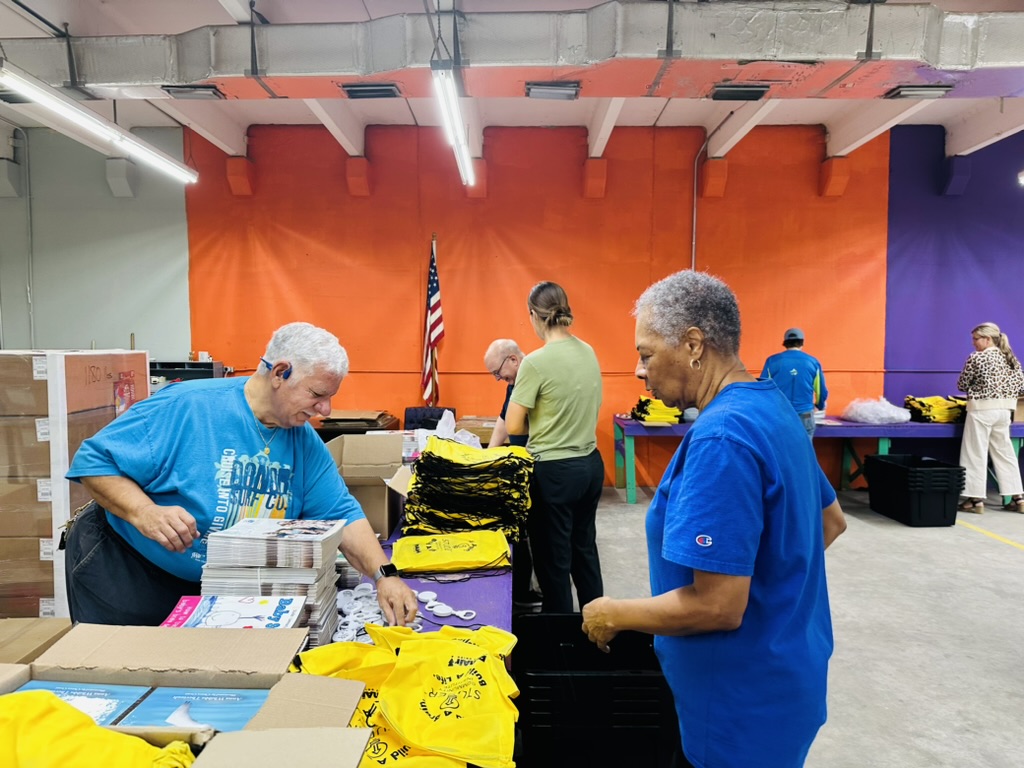
When we assess the fabric of the communities that make up Scenic 98 Coastal, it’s important to recognize and acknowledge the nonprofit sector making a difference in every one of our neighborhoods. Thank goodness for all the community volunteers who lend their support, and the folks who contribute time, talent, and treasure to make it happen.
A special thanks to Quint and Rishy Studer for the impact they have made and continue to make on Pensacola and the surrounding area!
More from
Community Endeavors
category