.jpg)


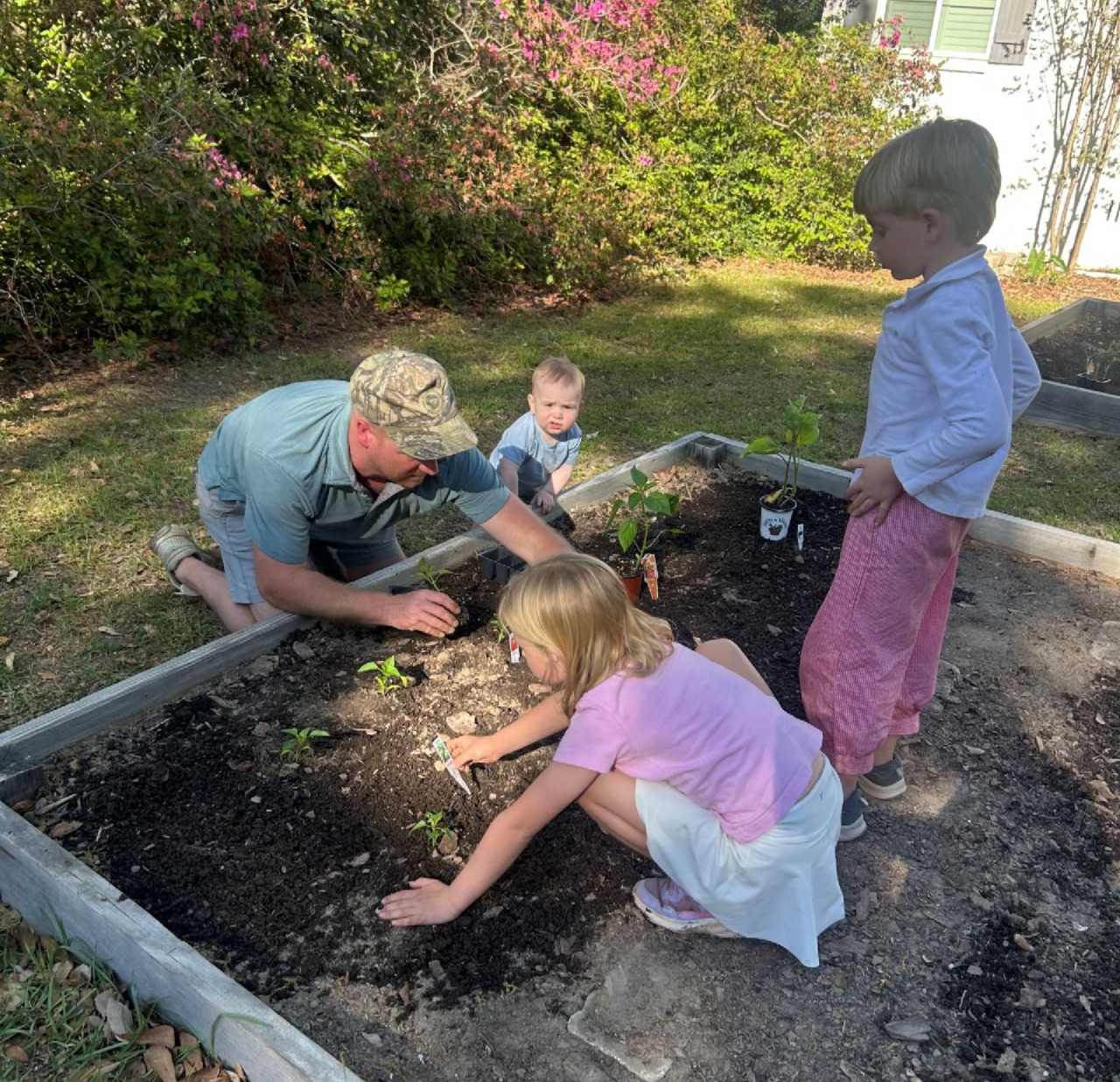
This past weekend, we planted our spring vegetable garden. It’s a fun activity to do with the kids. It’s one of those things that you hope teaches them something beyond just the surface level of digging holes, putting plants in them, watering, etc. Indeed, tending a vegetable garden is ripe (pun intended) with potential lessons about life, growth, and death, responsibility and caring for things, and fostering a connection with nature and the food we eat. This spring planting has me reminiscing about our last growing season. For which I will provide a brief recap.
We planted the following: tomatoes, sweet peppers, zucchini, squash, okra, cucumbers, and eggplant. The feeling of getting them in the ground then was much like the feeling this past weekend. It is one of hope, possibility, and anticipation. You can almost taste the freshness of a juicy, sun-warmed tomato picked from just outside the door. This feeling lasts a few weeks, during which the garden receives careful watering and each plant is inspected daily for growth, health, and vigor.
Our first casualty last year was from an errant soccer ball being kicked around the yard. A young squash plant received a direct hit and sustained injuries that it could not recover from. It was a tough loss, but it did not threaten the overall summer harvest. Then, the worms arrived. Like a band of guerrilla warriors, their offensive was swift, precise, and almost invisible to the naked eye. Within a couple of days, our tomato crop had been decimated, before a single BLT.
At this point, the cucumbers had begun to climb the trellis we made. With my heart still in it, each vine was trained for maximum sunlight and growing area. The rest of the garden was doing well, also. But the days were getting long and hot. While I kept up with my garden duties, summer was in full swing, and I was fighting battles on several fronts.
Each plant was not getting the same care it once was. Before I knew it, the squash was covered in powdery mildew. The mildew moved through the squash and zucchini like cow manure (fertilizer) induced typhoid fever. Eventually, it took the lives of all those plants. On the upside, the peppers were starting to produce. On the downside, they tasted like dirt. Not the fresh, earthy taste of some garden plants, but more like the bottom of a well-trodden boot.
The okra was producing well at this point, too, but with only two okra plants, I was averaging about 1.5 pieces of okra per week, less than what I expect in a cup of gumbo. We were down to the cucumbers and the eggplant. The cucumbers were doing well and proved to be a resilient plant. We ate a few. My five-year-old boy took to picking them and throwing them at his sister for target practice. Sometimes he enjoyed just throwing them across the yard like hand grenades.
Finally, I raised the white flag of surrender and cleaned the beds out entirely. Except for what was now a pretty impressive eggplant. However, after all the losses, I came to resent the lone eggplant. It’s purple fruit was mocking me each morning. It was as if I had received a Purple Heart from a friendly fire incident and displayed it in the yard. It felt like the eggplant was there to teach me something, but I don’t know, it’s just a plant.
More from
Musings From The Cove
category